Showing posts with label Science. Show all posts

11-Year-Old Iranian Girl Gets the Highest Mensa IQ Score, Beating Einstein, Hawking


Tara Sharifi, a student at Aylesbury High School, recently took the Mensa IQ test in Oxford where she scored well above the “genius benchmark” of 140. The 11-year-old student scored 162 points on the test, which is two points ahead of Einstein, a theoretical physicist who is considered as one of the two pillars of modern physics, and famous cosmologist Professor Stephen Hawking.


Updated version of the previous article.


The Mensa IQ test, which needed to be answered within a set time, focused on the student’s ability to understand the meanings of words, according to Iran Front Page.
“I was shocked when I got the result – I never expected to get such a good score,” Sharifi said.

With the score she received, Sharifi now qualifies for the Mensa membership, which is also known as the High IQ society.

“It was a joint decision between me and my parents to take the test,” the girl said. “It will be a wonderful opportunity to meet other people within the Mensa system. I have told some of my friends at school and they were really impressed.”

She also added that when she becomes older, she would pursue “something related to mathematics.” Her father, meanwhile, admitted that he was surprised by the result, but was proud of what his daughter achieved.

“I am extremely proud but very surprised at how well Tara scored,” her father, Hossein, said, Bucks Herald UK reported. “I figured she might do well when we watched TV and she would get maths questions before the contestants. I knew she was very clever but I did not think she would have such a high IQ.”
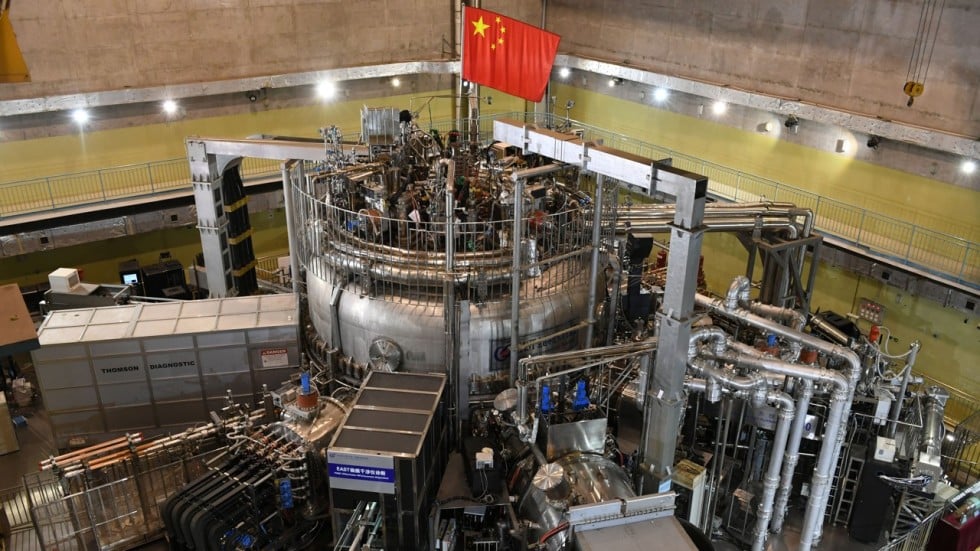

China Achieves Nuclear Fusion Breakthrough

China's Experimental Advanced Superconducting Tokamak (EAST) made an important advance by achieving a stable 101.2-second steady-state high confinement plasma, setting a world record in long-pulse H-mode operation on the night of July 3rd.

The obtained high confinement mode features edge-localized modes (ELMs) with small perturbation amplitude under the condition of low-momentum injection with pure RF (LHCD, ICRF, ECRH) wave heating, and an actively cooled ITER-like monoblock tungsten divertor.

Image result for China Achieves Nuclear Fusion Breakthrough


With effective control of the divertor target heat load and tungsten impurity influx, and the center chord average electron density maintained at > 50% of the Greenwald density limit, EAST achieved a fully non-inductive, current-driven, steady-state plasma with a confinement enhancement factor H98y2 greater than 1.1 for more than 100 seconds.

All the plasma parameters, including recycling, and particle and heat fluxes, reached a truly steady state after 20 seconds—the wall saturation time for the W divertor—and remained stable until the end of the discharge.

Chief Operator GONG Xianzu shared the good news and his excitement with some EAST partners at home and abroad at midnight via social media. GONG has witnessed every advance made on the machine as well as its setbacks, since his first operation of EAST in 2006. This breakthrough, he said, indicates EAST will "continue to play a key role in both the physics and engineering fronts of steady-state operation, and has significant scientific implications for the International Thermonuclear Fusion Reactor (ITER) and the future China Fusion Engineering Test Reactor (CFETR)."

"It is a success based on joint efforts," said GONG. The EAST team has worked together with collaborators at home and abroad over the past decade to solve a series of key technical and physical issues closely related to steady-state operation, and carried out in-depth scientific research on integrated operation scenarios with effective coupling of multi-scale physical processes. The EAST 2017 experimental campaign will go on for about one more month; the second round of experiments will start in autumn of this year.

‘Cosmos’ To Return for Second Season on National Geographic and Fox

Cosmos” is returning to the National Geographic Channel and Fox. The networks have ordered a second season of the science documentary television series, which is a follow-up to the 1980s series “Cosmos: A Personal Voyage” with Carl Sagan. Neil deGrasse Tyson, the astrophysicist and host of the Emmy Award-nominated “Star Talk,” returns as host of the series, scheduled to premiere globally in Spring 2019.


The announcement was made at the Television Critics Association winter press tour on Saturday. The series hails from executive producer, writer, and director Ann Druyan, Sagan’s widow and one of the writers on the original 1980s series.

She and Steven Soter, another writer from the original show, won the Emmy for Outstanding Writing for Nonfiction Programming in 2014 for the show’s first season. Seth MacFarlane, Brannon Braga, and Jason Clark also serve as executive producers. It will be produced by Cosmos Studios, the Ithaca, NY-based company Druyan co-founded in 2000, and Fuzzy Door Productions, MacFarlane’s company.

Following a wildly successful run in 2014 as the most-watched series ever on National Geographic Channels internationally, and seen by more than 135 million people worldwide on National Geographic and Fox, the new season will air on National Geographic and Fox. 

It will once again premiere in the U.S. on both FOX and National Geographic and globally on National Geographic in 171 countries and 43 languages.

The first two seasons of the “Cosmos” television series transported a global audience to the farthest reaches and most deeply hidden recesses of the universe. In the course of those journeys, the series dramatized the lives of many of the forgotten searchers who contributed to the world’s understanding of who, when and where we are in the universe. 


This Animation shows How Terrifyingly Powerful Nuclear Weapons Have Become

It's been decades since the United States dropped the first atomic bomb. Since then, the exponential increase of the destructive power of nuclear weapons is almost unimaginable. Here's how powerful nuclear weapons have become.


Scientists Say They Can Recreate Living Dinosaurs Within the Next 5 Years

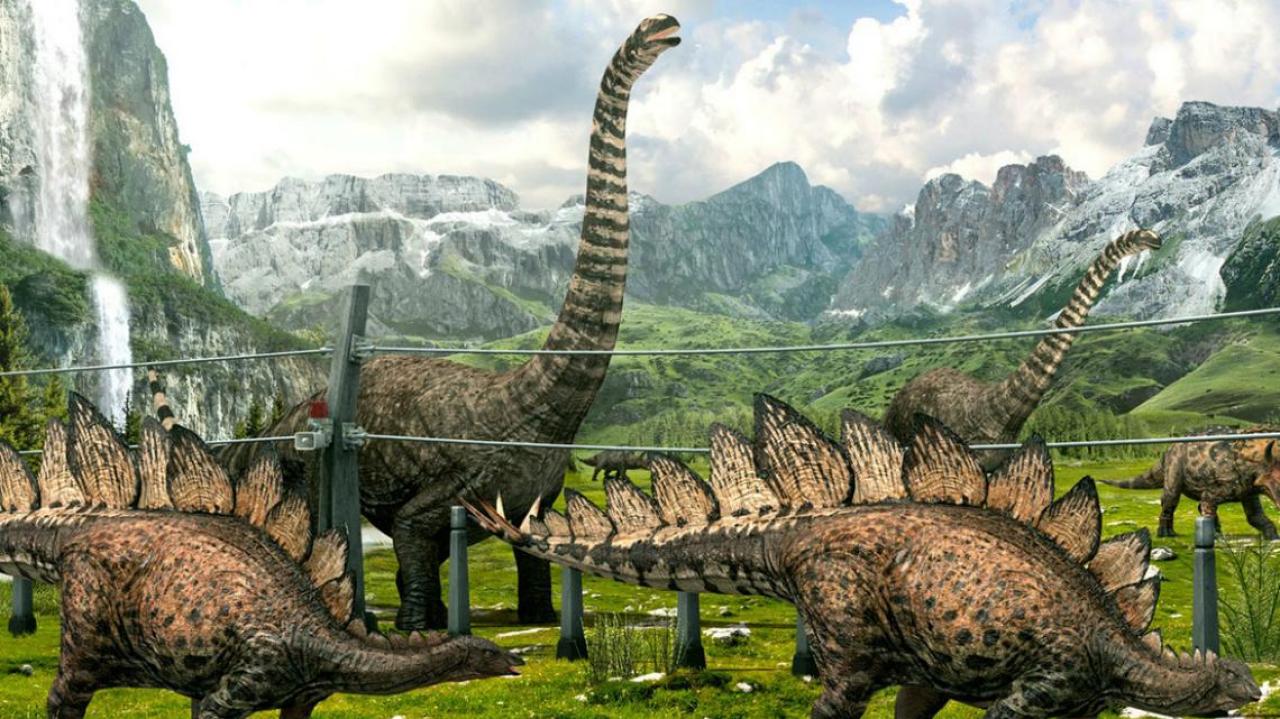
Dinosaurs could potentially walk among us in real life soon as the paleontologist who inspired the original Jurassic Park movie has announced a research project to bring the extinct creatures back to life. Dr. Jack Horner says scientists are only 5 to 10 years away from genetically engineering dinosaurs into existence.


According to a report by PEOPLE, Horner is working with scientists at Harvard and Yale, looking to the closest living relatives of dinosaurs in the hopes of reverse-engineering them. “Of course, birds are dinosaurs," Horner said. "So we just need to fix them so they look a little more like a dinosaur."

Horner and his team will reportedly begin with the modern day chicken, which is widely considered a direct descendant of the massive beasts that once dominated the earth. Horner has consulted on all four Jurassic Park films. In a behind the scenes interview from the first movie in the franchise, writer Michael Crichton confessed that the hero, Dr. Alan Grant, was an amalgam of Horner and Philip J. Currie.

Image result for Scientists Say They Can Recreate Living Dinosaurs Within the Next 5 Years

The 71-year-old paleontologist said that when he first began work on the movies, he believe dinosaurs would be revived in the same way they are in the film -- through preserved bits of their DNA taken from fossils. However, in the years since, he and his colleagues have come to better understand how DNA degrades over time, and determined that this is not the course they will have to take.

Image result for Scientists Say They Can Recreate Living Dinosaurs Within the Next 5 Years

As Horner sees it, the chicken, and many other modern birds, have the genetic code of their dinosaur ancestors stored within their own DNA. He believes they will be able to manipulate that code to reverse the evolutionary process -- forcing mutations that will express more and more of those ancient characteristics.

“Dinosaurs had long tails, arms, and hands – and through evolution they’ve lost their tails, and their arms and hands have turned into wings," Horner explained to reporters. "Additionally, their whole snout has changed from the velociraptor-look to the bird-like beak morphology.” Horner said he hopes his work will determine a way to flip a switch “in such a way that we’ll get these ancestral characteristics back.”

Image result for Scientists Say They Can Recreate Living Dinosaurs Within the Next 5 Years

Horner cited a 2015 study as his "proof of concept," noting that scientists at Harvard and Yale were able to trick a bird's head into changing into a dinosaur snout.

“Basically what we do is we go into an embryo that’s just beginning to form, and use some genetic markers to sort of identify when certain genes turn on and when they turn off,” he said.. “And by determining when certain genes turn on, we can sort of figure out how a tail begins to develop. And we want to fix that gene so it doesn t stop the tail from growing.”

Horner was completely confident that some form of what he called a "chickensoraus" will be walking the earth within ten years.

Image result for Scientists Say They Can Recreate Living Dinosaurs Within the Next 5 Years

“We can make a bird with teeth, and we can change its mouth,” he said. “And actually the wings and hands are not as difficult. We’re pretty sure we can do that soon.”

The project is no simple task, however, and Horner noted that “the tail is the biggest project. But on the other hand, we have been able to do some things recently that have given us hope that it won’t take too long.”

Terrifying! Here’s What The World Will Look Like Once ALL The Ice Melted

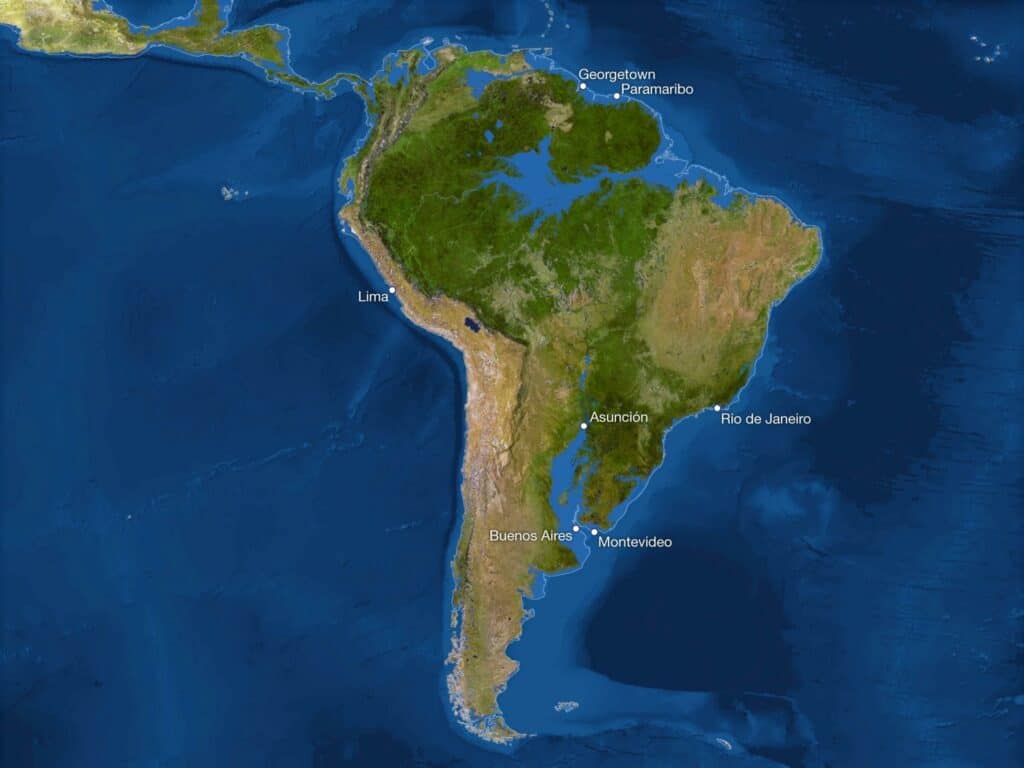
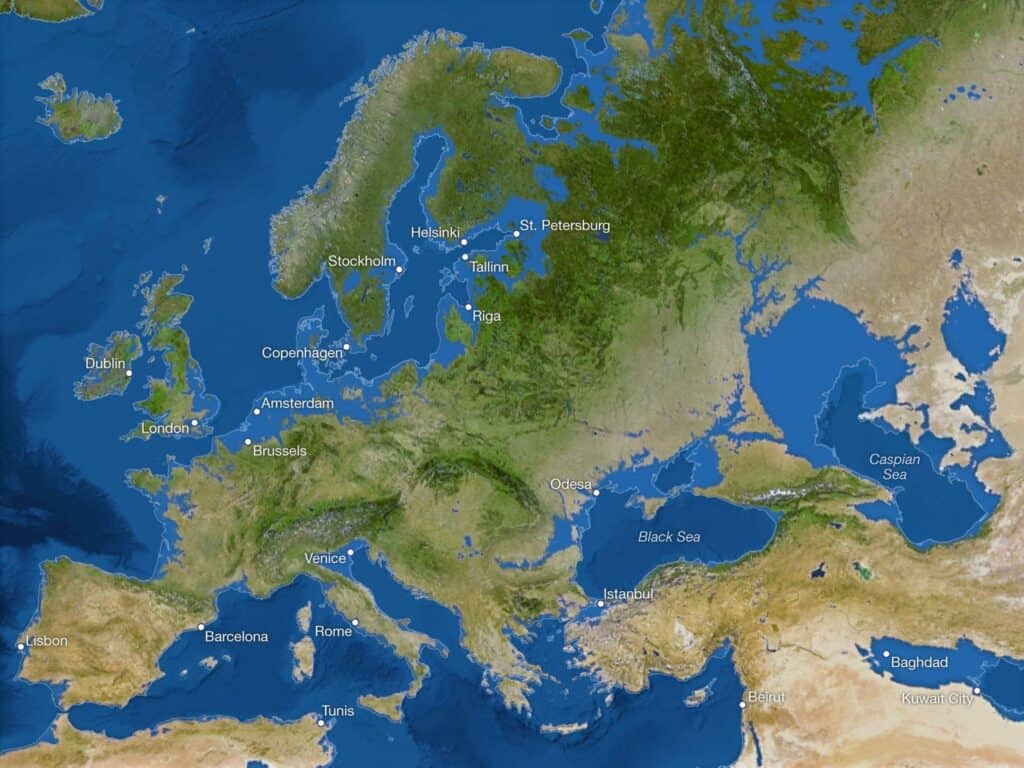
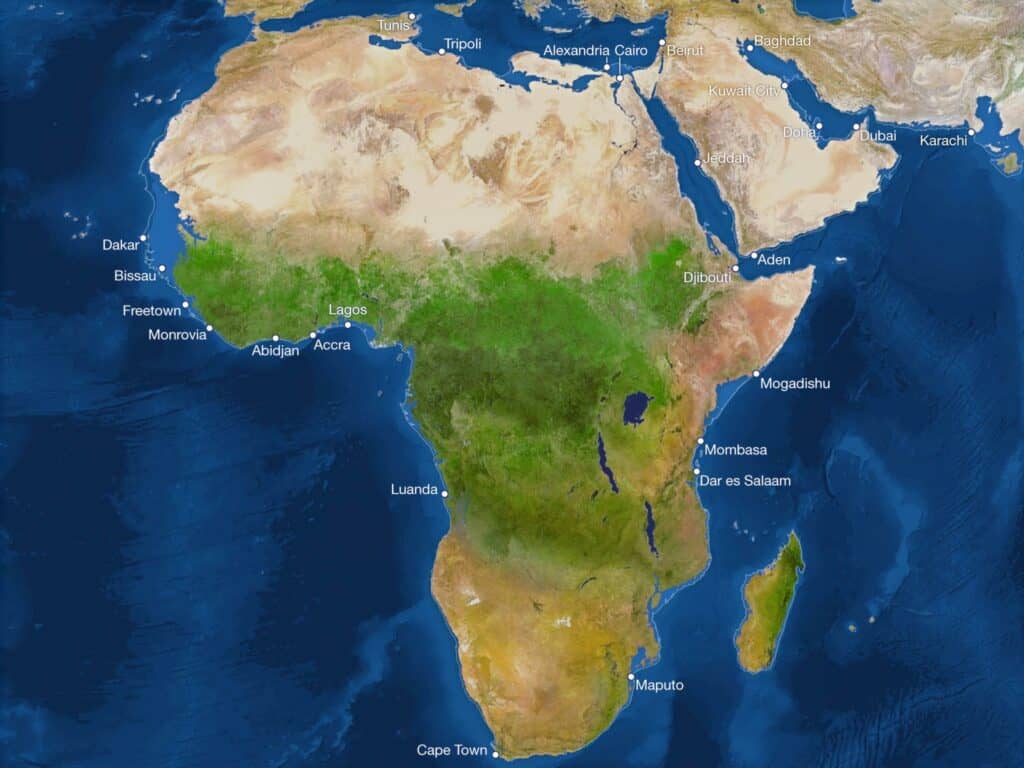
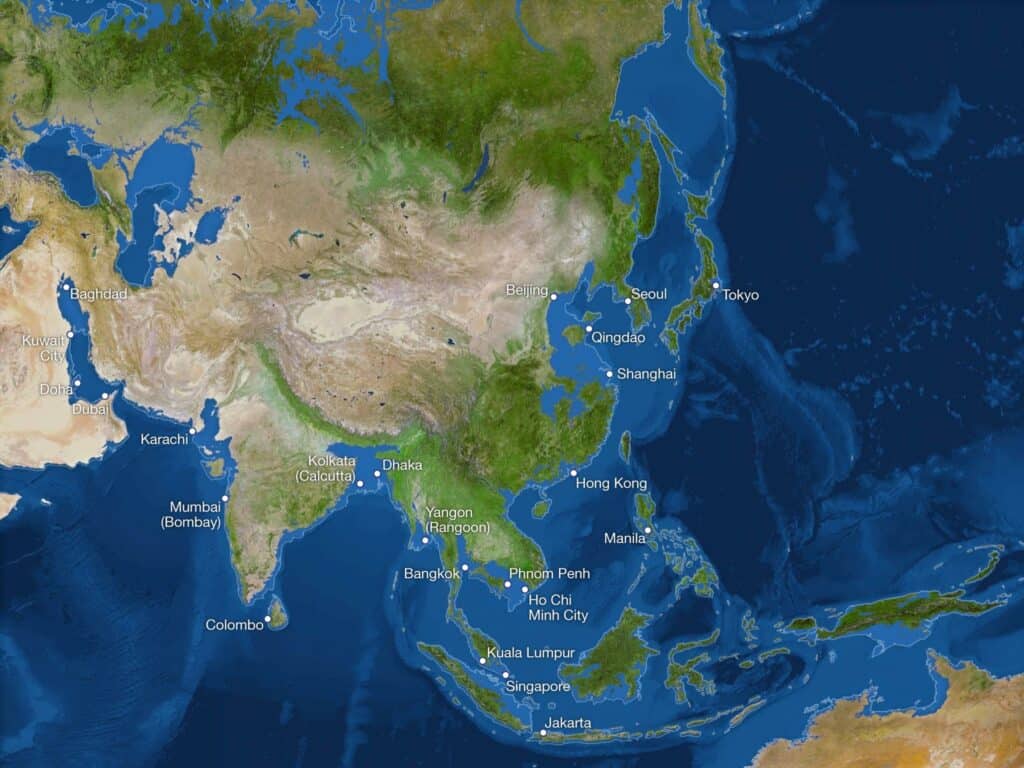
Throughout the years, we have learned that mankind has drastically changed planet Earth. If all the ice melted on Earth, it would DRAMATICALLY reshape our planet’s continents and would result in the flooding of major cities around the globe. Scientists estimate that there are more than 5 million CUBIC miles of ice on Earth.


Many researchers agree that it would take around 5,000 years for all the ice to melt. If this were to occur, it would DRAMATICALLY reshape our planet’s continents and would result in the flooding of major cities around the globe.

Scroll down to the bottom if you want to watch “What The World Will Look Like Once ALL The Ice Melted” video!

However, if we continue to add the amount of carbon to the atmosphere, we could easily create and ICE-FREE planet. As National Geographic reports, this would result in an average temperature of perhaps 80 degrees Fahrenheit instead of the current 58.

According to reports, sea levels have drastically risen in the last decade and at an even greater rate in recent years. Estimates by the Intergovernmental Panel on Climate Change believes that sea levels could rise at an alarming rate of one or more meters by the end of the century.

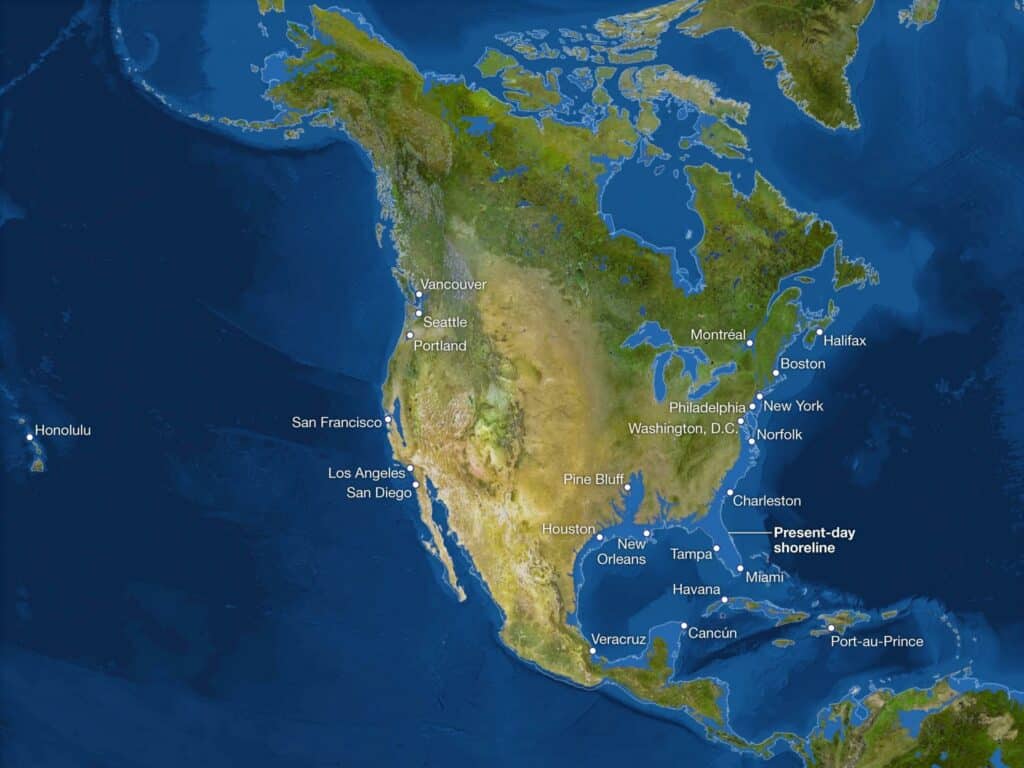
All of this was intricately shown by National Geographic in 2013, and that sea levels can rise by 216 feet if all the land ice on our planet were to melt.

The consequences are terrifying. It would mean that the ENTIRE Atlantic seaboard could vanish, including Florida and the Gulf Coast. Check out the below image:


In South America the same would happen as the Amazon Basin in the north and the Paraguay River Basin in the south would become Atlantic inlets, wiping out Buenos Aires, coastal Uruguay, and most of Paraguay.


The same thing would happen across Europe, Africa, Asia and even Antarctica.


Recently, scientists discovered alarming things on Antarctica. According to reports, a MASSIVE crack in the Antarctic ice shelf Larsen C, will soon give away, becoming one of the largest icebergs on the planet. In fact, it might be an iceberg twice the size of the SMALLEST European country.

As it turns out, Larsen C is the FOURTH largest ice shelf in Antarctica and according to reports from Nature, since early this year, its crack has moved at least 10 kilometers more. Currently, the crack is already 175 kilometers long. When the iceberg finally separates from the ice shelf, it will be one of the largest ever recorded, although it is difficult to predict when it will happen.

To get an idea at what would happen if all the land ice melted, the Business Insider has created a video which perfectly illustrates it.


Video by BI Science

Image credit: JASON TREAT, MATTHEW TWOMBLY, WEB BARR, MAGGIE SMITH, NGM STAFF. ART: KEES VEENENBOS.

Scientists Discover Colossal Ecosystem Teeming With Life Below Earth's Surface

Beneath your feet in the depths of our planet, there’s an unbelievably vast ecosystem teeming with life. A decade-long collaboration between scientists has revealed how billions upon billions of microorganisms live miles beneath Earth’s subsurface.


Presenting their work at the American Geophysical Union's annual meeting today, it’s the first time scientists have calculated the size of this mysterious treasure trove of life – and it’s way bigger than they expected. They report that approximately 70 percent of the total number of microbes on the planet live underground.

In total, these microbes represent around 15 to 23 billion tonnes of carbon – hundreds of times greater than the carbon mass of all humans on the surface. Scientists have barely scratched the surface when it comes to the describing these microorganisms. However, first glances suggest that the genetic diversity of life below the surface might be comparable, or perhaps even exceed, life above the surface.

This is why they’ve nicknamed it the "subterranean Galapagos.” However, don’t expect any giant tortoises down there. Bacteria and their evolutionary cousins, archaea, seem to dominate beneath the surface, although the researchers also noted a fair number of eukarya down there too. For example, researchers described an unidentified nematode over 1.4 kilometers (0.8 miles) deep in a South African gold mine. 

“Ten years ago, we had sampled only a few sites – the kinds of places we'd expect to find life,” study author Karen Lloyd, professor of microbiology at the University of Tennessee, said in a statement. “Now, thanks to ultra-deep sampling, we know we can find them pretty much everywhere, albeit the sampling has obviously reached only an infinitesimally tiny part of the deep biosphere.”

To reach the findings, the team brought together dozens of studies that looked at samples brought up from drilling between 2.5 and 5 kilometers into the Earth’s crust, both in the seafloor and the inland continents. Also to their surprise, they discovered that the subsurface deep biosphere is almost twice the volume of all oceans.

Subjected to intense heat, crushing pressures, no light, and scarcely any nutrients, this is hardly where you would expect to find a diverse bank of microbial life. Nevertheless, the researchers believe that this ecosystem could answer many questions about the limits of life on Earth – and beyond.

“Our studies of deep biosphere microbes have produced much new knowledge, but also a realization and far greater appreciation of how much we have yet to learn about subsurface life,” added Rick Colwell, microbial ecologist at Oregon State University. “For example, scientists do not yet know all the ways in which deep subsurface life affects surface life and vice versa. And, for now, we can only marvel at the nature of the metabolisms that allow life to survive under the extremely impoverished and forbidding conditions for life in deep Earth.”

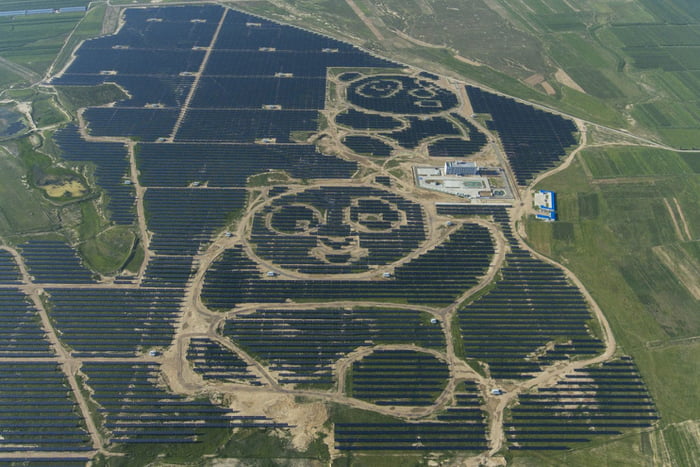
China Has Built A 250-Acre Solar Farm Shaped Like A Giant Panda

Most solar farms align their solar arrays in rows and columns to form a grid. A new solar power plant in Datong, China, however, decided to have a little fun with its design. China Merchants New Energy Group, one of the country's largest clean energy operators, built a 248-acre solar farm in the shape of a giant panda.

The first phase, which includes one 50-megawatt plant, was completed on June 30, according to PV magazine. The project just began delivering power to a grid in northwestern China, and a second panda is planned for later this year.


Called the Panda Power Plant, it will be able to produce 3.2 billion kilowatt-hours of solar energy in 25 years, according to the company. That will eliminate approximately million tons of coal that would have been used to produce electricity, reducing carbon emissions by 2.74 million tons.

Giant Power Plant Shaped like a Panda in Datong, China
The Panda Power Plant in Datong, China stretches 1,500 acres. 
China Merchants New Energy/Panda Green Energy

China Merchants New Energy Group worked with the United Nations Development Program (UNDP) to make the Panda Power Plant a reality. The project is part of a larger effort to raise awareness among young people in China about clean energy, the UNDP wrote in a statement. 

The groups hope to build more panda-shaped solar plants throughout China in the next five years.

Read the original article on Business Insider. Follow us on Facebook and Twitter.

Scientists Have Created Programmable Shape-Shifting Liquid Metal

Researchers at the University of Sussex and Swansea University have applied electrical charges to manipulate liquid metal into 2D shapes such as letters and a heart. The team says the findings represent an “extremely promising” new class of materials that can be programmed to seamlessly change shape. This open up new possibilities in ‘soft robotics’ and shape-changing displays, the researcher say.

Image result for Scientists Have Created Programmable Shape-Shifting Liquid Metal


While the invention might bring to mind the film Terminator 2, in which the villain morphs out of a pool of liquid metal, the creation of 3D shapes is still some way off. More immediate applications could include reprogrammable circuit boards and conductive ink.

Yutaka Tokuda, the Research Associate working on this project at the University of Sussex, says:
“This is a new class of programmable materials in a liquid state which can dynamically transform from a simple droplet shape to many other complex geometry in a controllable manner. While this work is in its early stages, the compelling evidence of detailed 2D control of liquid metals excites us to explore more potential applications in computer graphics, smart electronics, soft robotics and flexible displays.”

The electric fields used to shape the liquid are created by a computer, meaning that the position and shape of the liquid metal can be programmed and controlled dynamically.


Professor Sriram Subramanian, head of the INTERACT Lab at the University of Sussex, said:
“Liquid metals are an extremely promising class of materials for deformable applications; their unique properties include voltage-controlled surface tension, high liquid-state conductivity and liquid-solid phase transition at room temperature. One of the long-term visions of us and many other researchers is to change the physical shape, appearance and functionality of any object through digital control to create intelligent, dexterous and useful objects that exceed the functionality of any current display or robot.”

The research is being has been presented at the ACM Interactive Surfaces and Spaces 2017 conference in Brighton. This is a joint project between Sussex and Swansea funded by EPSRC on “Breaking the Glass: Multimodal, Malleable Interactive Mobile surfaces for Hands-In Interactions”.

The Sun- Facts and Info

The Sun is one of the most important stars to us out of billions of stars. The Sun is the nearest star to our home planet “Earth”.  The Sun always rotates once every 27 days on its own axis.  The Sun at the moment is a middle-aged star that means our Sun is at about the middle of its life.  The Sun is about four and a half billion years old. You are mistaken if you're thinking that that Sun can die soon, however Sun can keep shining for a minimum of another 5 billion years. The reason it looks so big and bright as compared with the stars in the night sky is that it is very close to the Earth. If the distance from the Sun to Earth (about 150 million km; or about 93 million miles) is scaled to about 15 m (45 ft.), the nearest star to the Sun would be located over 4,000 km (2,490 miles) away.

Image Credit: NASA

That means if the Sun and the Earth were located in Washington, D.C., than the nearest star to the Sun would be in California. All the stars that we see are much further away from our home planet Earth and that is why they look so small in the night sky, even if they are similar to the Sun. Like our home planet, the Sun has different layers and these layers can define its structure.  Surface structure of sun:-

The Sun is at the center of the Solar System. The planets, asteroids, and comets all revolve around the Sun. The Sun has the most important role in the solar system because it is the center of our solar system and as the center of the planetary system, it has high mass; it has 99.8% of the mass in the Solar System and due to its mass, Sun guides the movement of the other objects like planets, dwarf planets, comets and asteroids via gravitational forces. Our Sun is a very much like an active star and is always doing something very interesting. Our sun has already used up nearly half of the hydrogen present in its core.

The light emitted by the Sun brings energy to the rest of the Solar System and largely dictates the temperatures on the planets. Sun is the major reason why we are alive. As compared with the all the other stars in the universe, the sun has remarkable characteristics for planet Earth and life on Earth. For Earth and all the other bodies that revolve around the sun, it is the most powerful center of attention due to its gravity. It holds the solar system together; pours vitalizing light, heat, and energy on Earth; and generates space weather. The surface of the Sun is known as the photosphere and its temperature is about 5800 Kelvin. Cooler surface areas of Sun are often called as Sun spots. The temperature of the core of the sun is about 15 million ยบ C. Our sun is about 1,392,000 kilometers (865,000 miles) wide and our Sun’s diameter is nearly about 110 times wider than Earth’s.  Our Sun not only emits light but also heat and a steady stream of charged particles commonly known as the solar wind. Solar wind produces the Aurora Borealis or more often known as "The Northern Lights" on Earth. A star may have various characteristics, like their motion, mass, position, chemical ingredients, size and temperature. No two stars are specifically alike. A number of stars within the acknowledged Universe exceeds one billion.

(If you find any error or miscalculation in this article then please feel free to share in comment and if you want to expand this article then comment below)